
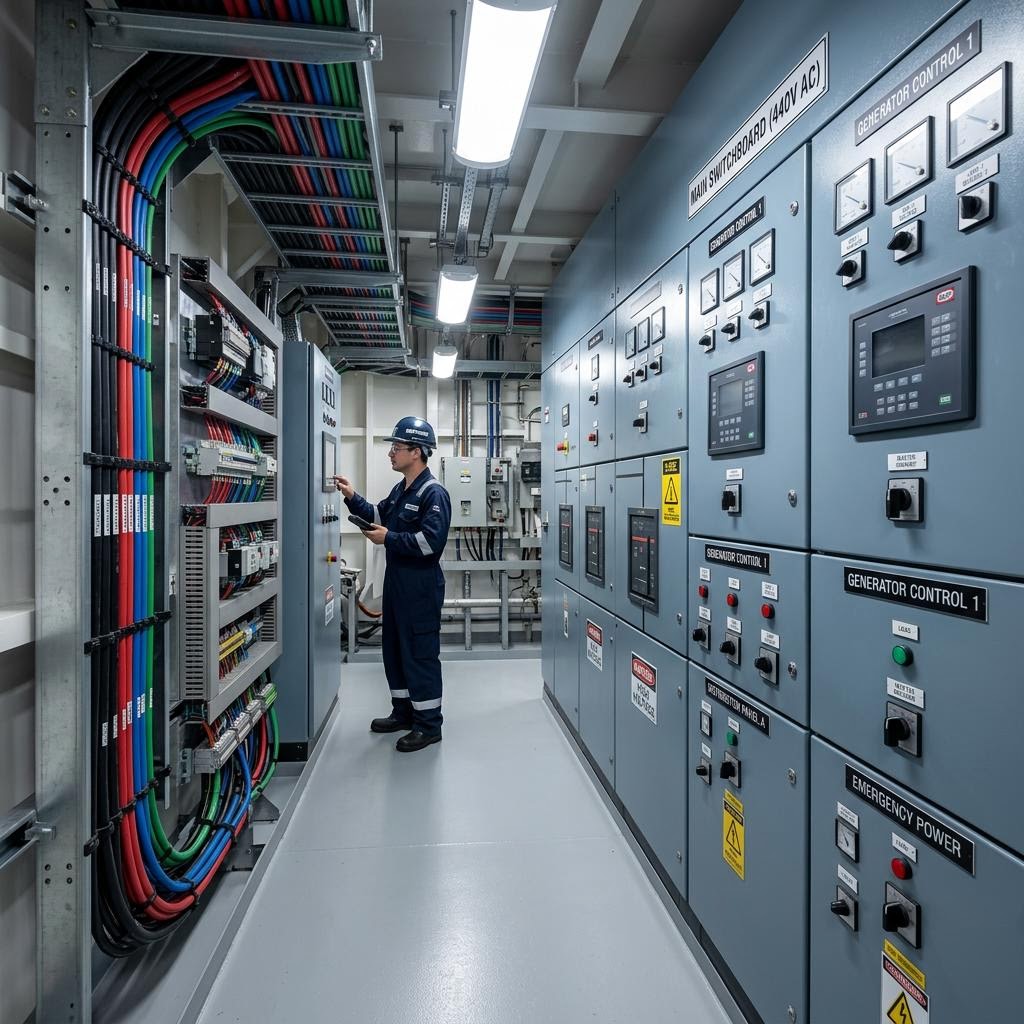
Panels built around the system they have to control
WTM builds electrical and control assemblies with the wider application in mind — layout, equipment, I/O, communications and serviceability all designed around the system they have to support.
A control panel is not an isolated product.
Its layout, equipment, I/O, communications, wiring and serviceability all depend on the system around it.
WTM builds electrical and control assemblies with the wider application in mind.
The panel is only useful if it suits the application
A standard enclosure filled with the correct parts is not automatically the right panel.
Marine and specialist equipment can introduce constraints around:
The panel needs to make sense inside that environment.
Built around the equipment and control requirement
Control Panels
Electrical and control assemblies built around the functions the application needs to perform.
PLC Panels
Panels bringing PLC, I/O, control power and field interfaces together in one organised system.
I/O Panels
Central or distributed I/O assemblies for applications where field signals need to be collected and managed effectively.
Equipment Control Boards
Custom panels designed to run specific marine or industrial machinery safely and efficiently.
Built in the workshop. Built for the application.
WTM's in-house panel-building capability keeps the physical build connected to the wider control requirement — choices inside the enclosure affect installation, commissioning, maintenance and future changes.
WTM's in-house panel-building capability allows the physical build to remain connected to the wider control requirement.
That matters because the choices made inside the enclosure affect installation, commissioning, maintenance and future changes.
A panel should be easy to understand once the door is open — not just look good while it is being built.
Good panel design considers the person who has to install it, commission it and fault-find it later.
The workmanship is part of the system.
Panel assembly, wiring and internal organisation all affect how the system will behave in service.
Panel assembly, wiring, component selection and internal organisation all affect how the system will behave in service. A panel built carefully is easier to install, commission and maintain.
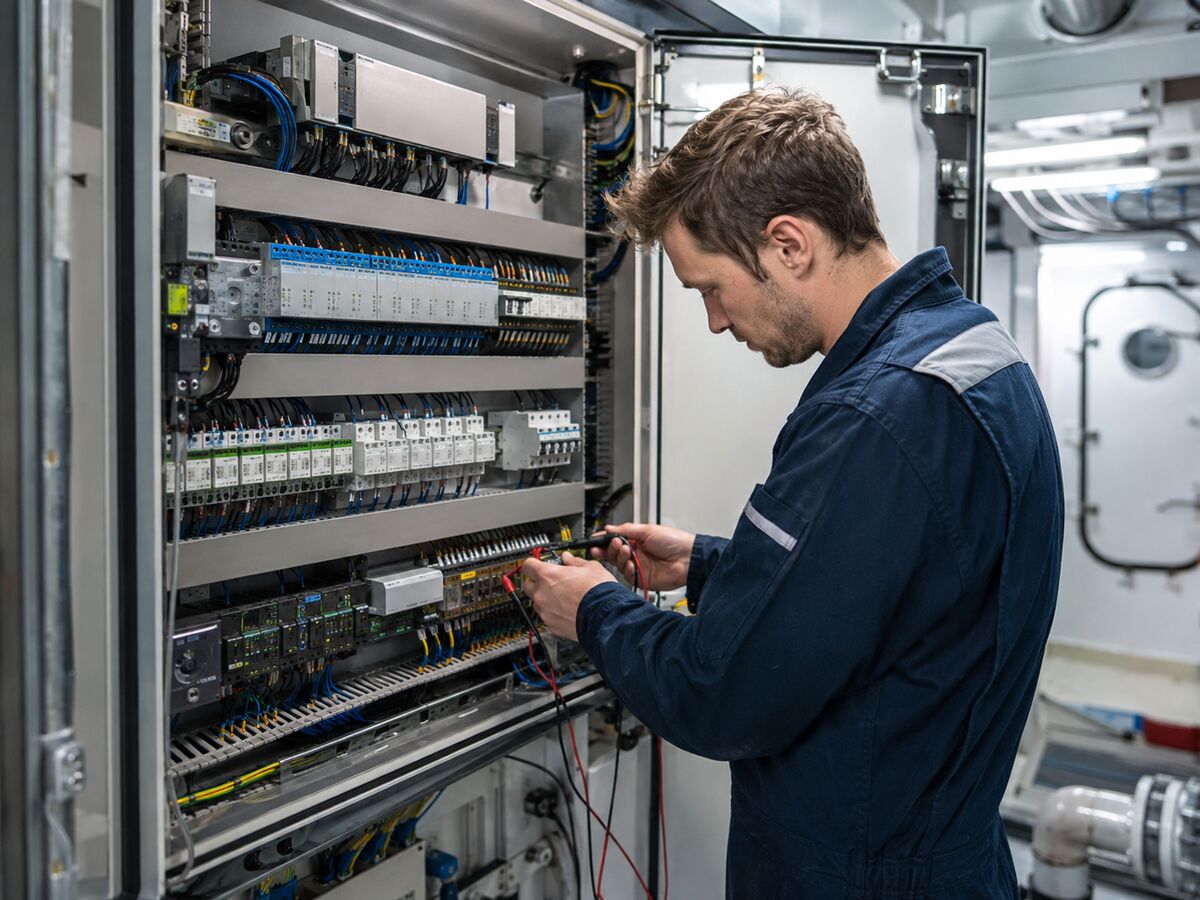
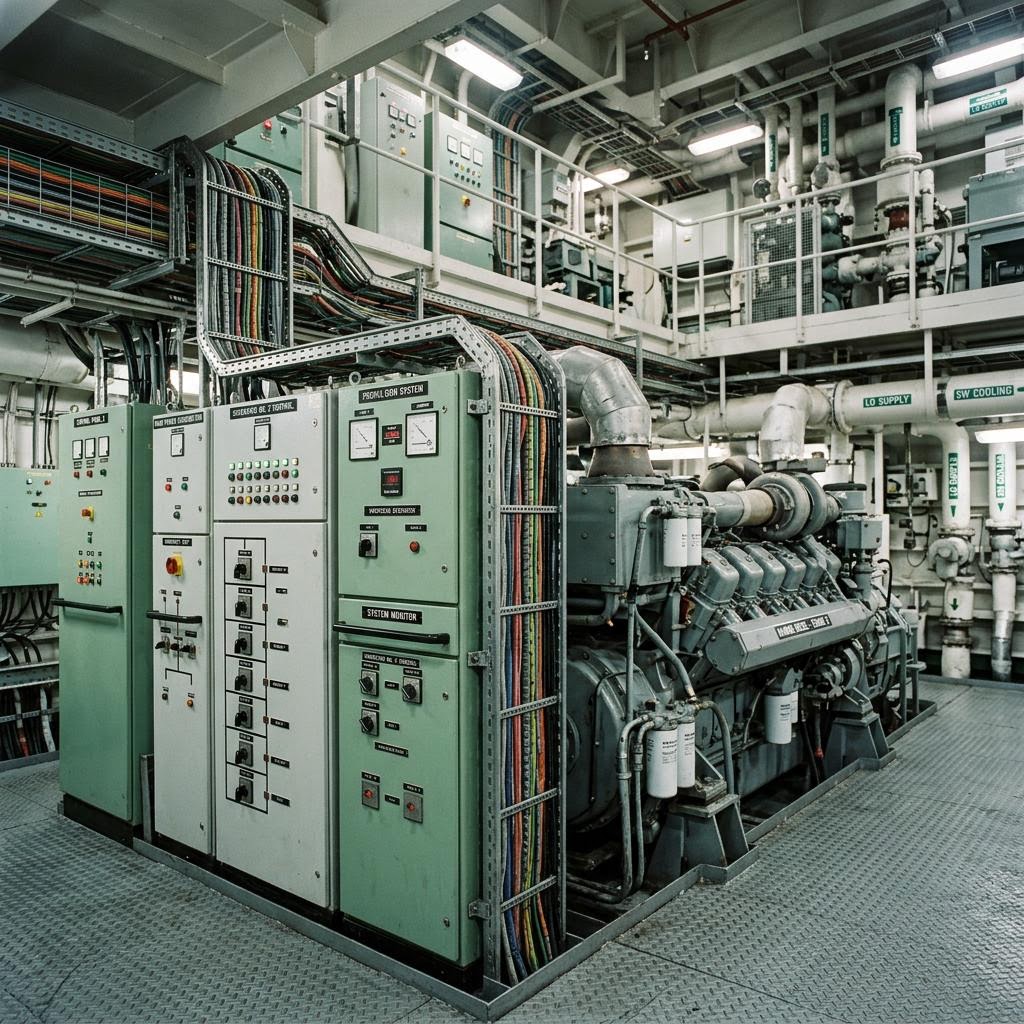
Representative imagery. Not WTM workshop photographs. Real project images can replace these without redesign.
From requirement to integrated panel
Requirements
Understand what the panel is controlling, what signals it needs and how it connects to the wider system.
Layout
Arrange the equipment around space, access, wiring and practical serviceability.
Component Selection
Choose hardware around the electrical and control requirement rather than simply filling a predefined parts list.
Assembly
Build the mechanical and electrical structure of the panel.
Wiring
Route and terminate control, power and communication wiring in a way that is clear and serviceable.
Testing
Check the panel and its interfaces before it becomes part of the wider installation.
Integration
Connect the panel into the equipment, field devices and control system it was built to support.
Requirements
Understand what the panel is controlling, what signals it needs and how it connects to the wider system.
Layout
Arrange the equipment around space, access, wiring and practical serviceability.
Component Selection
Choose hardware around the electrical and control requirement rather than simply filling a predefined parts list.
Assembly
Build the mechanical and electrical structure of the panel.
Wiring
Route and terminate control, power and communication wiring in a way that is clear and serviceable.
Testing
Check the panel and its interfaces before it becomes part of the wider installation.
Integration
Connect the panel into the equipment, field devices and control system it was built to support.
The details that matter after installation
Serviceability
Can someone understand and access the system when it needs attention?
Expansion
Is there a sensible path if another signal or function is added later?
Interfaces
Does the panel match the equipment, sensors and control architecture around it?
Wiring
Can field installation be completed clearly and practically?
Environment
Does the physical arrangement suit the space and conditions in which the panel will operate?
Built with the wider system in mind
The panel sits between the field equipment and the control system. Decisions made during the panel build affect field wiring, I/O allocation, communications, equipment interfaces, commissioning and future maintenance.
Discuss a Panel Requirement