When the system already exists — but it isn't doing what you need
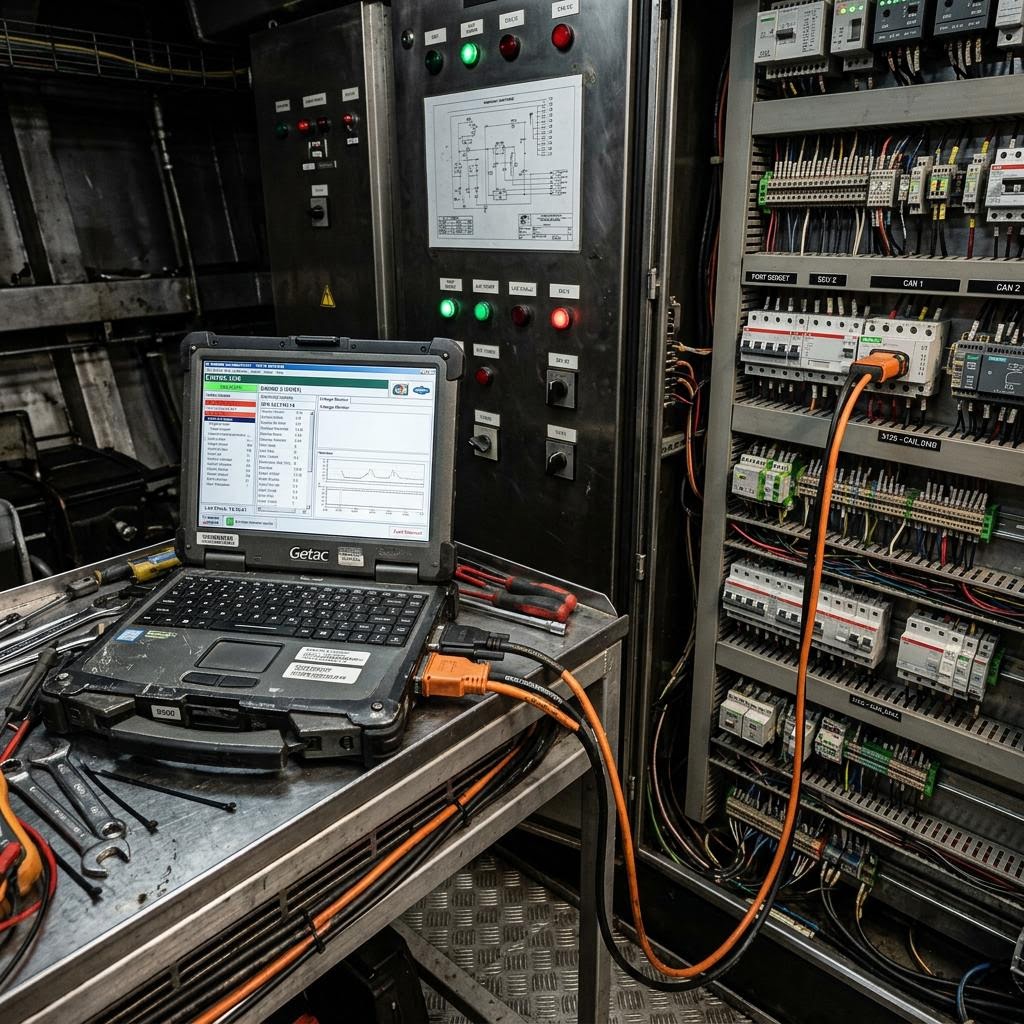
WTM can help investigate, modify and upgrade existing marine electrical and control systems where equipment has been replaced, components have become obsolete or new requirements have been introduced.
Existing vessels and control systems change over time.
Equipment is replaced. Components become obsolete. New functions are added. Old assumptions stop matching the way the vessel is now being operated.
WTM can help investigate, modify and upgrade systems already in service.
The system you have today may not be the system that was originally built
Existing vessels evolve — equipment gets changed, temporary fixes become permanent and documentation may no longer match what is physically installed.
That makes existing-system work very different from designing something from a blank page.
Vessels evolve. Equipment gets changed. Temporary fixes become permanent. New devices are added. Control logic is modified.
Documentation may no longer perfectly match what is physically installed.
That makes existing-system work very different from designing something from a blank page.
The first job is understanding what is actually there.
Find the cause, not just the symptom
Replacing the component closest to the fault does not always solve the problem.
The issue could sit in:
The useful question is not:
Which component looks suspicious?
It is:
Where does the system stop behaving the way it should?
WTM can work through the connected electrical and control layers to help narrow down the cause.
Work from what the system is doing
Describe the symptom
What is happening now?
Define expected behaviour
What should the system be doing instead?
Follow the signal or command
Where does the information originate, where does it travel and where does the expected response disappear?
Isolate the cause
Separate symptoms from the actual failure point.
Correct and verify
Make the required change and check the system as a complete application.
Modernise what needs changing without automatically replacing everything
A well-planned upgrade identifies what still works, what creates the limitation, what the new requirement is and what has to interface with the replacement. The objective is a practical system, not a larger replacement bill.
Older does not automatically mean unusable.
A well-planned upgrade starts by identifying what still works, what can still be supported, what is creating the limitation, what new requirement has been introduced, and what has to interface with the replacement equipment.
The objective is a practical system, not a larger replacement bill.
Obsolete PLC or I/O
When the existing control hardware has become difficult to support or expand.
New HMI
When operators need clearer information or the existing display no longer meets the requirement.
Added Sensors
When the vessel needs additional measurement, monitoring or alarms.
New Equipment
When replacement machinery has to communicate with an older control system.
Expanded Functions
When the vessel is being asked to do more than the original system was designed to support.
Panel Modification
When physical control hardware needs to change without replacing the complete assembly.
When the vessel changes, the control system may need to change with it
A system can be completely functional and still no longer suit the operating requirement.
New equipment, processes or expectations from the operator can create a need for modification rather than repair.
WTM can support changes such as:
A system can be completely functional and still no longer suit the operating requirement.
New equipment, new processes or new expectations from the operator can create a need for modification rather than repair.
WTM can support changes such as:
Start with the installed system, not an assumption about what should replace it
The practical approach is to understand what is installed, what information is available and what part of the system is creating the limitation — before deciding what should change.
Existing vessels can contain equipment from multiple generations and multiple manufacturers.
The practical approach is to understand what is installed, what information is available and what part of the system is creating the limitation. Only then does it make sense to decide what should change.
Describe what the system is doing — and what you need it to do instead.
You do not need to diagnose the fault before making contact. Start with what you can see, what has changed and what the expected behaviour should be.
Talk to WTM